Mastering SEO: A Beginner-Friendly, Step-by-Step Guide for Small Business Owners Who Want to Do Their Own SEO
If you’re a small business owner trying to figure out SEO on your own — first of all, you’re not alone.
Most mom-and-pop shops, local businesses, and online startups don’t have an in-house marketer or a big budget. You’re running the business, wearing 12 different hats, and now you’re also trying to learn Google.
And yes — SEO can feel overwhelming…
But the good news?
You can absolutely learn it. And you can do it well.
This guide breaks SEO down in a simple, beginner-friendly way — no jargon, no tech overwhelm, no “marketer speak.” Just clear steps you can follow to get your business found online.
And if you want the complete step-by-step system with tutorials, templates, checklists, and over-the-shoulder guidance…
booking consultations with me will walk you through every one of these phases in detail. But for now, let’s get you grounded in the basics.

What SEO Actually Means (Explained Simply)
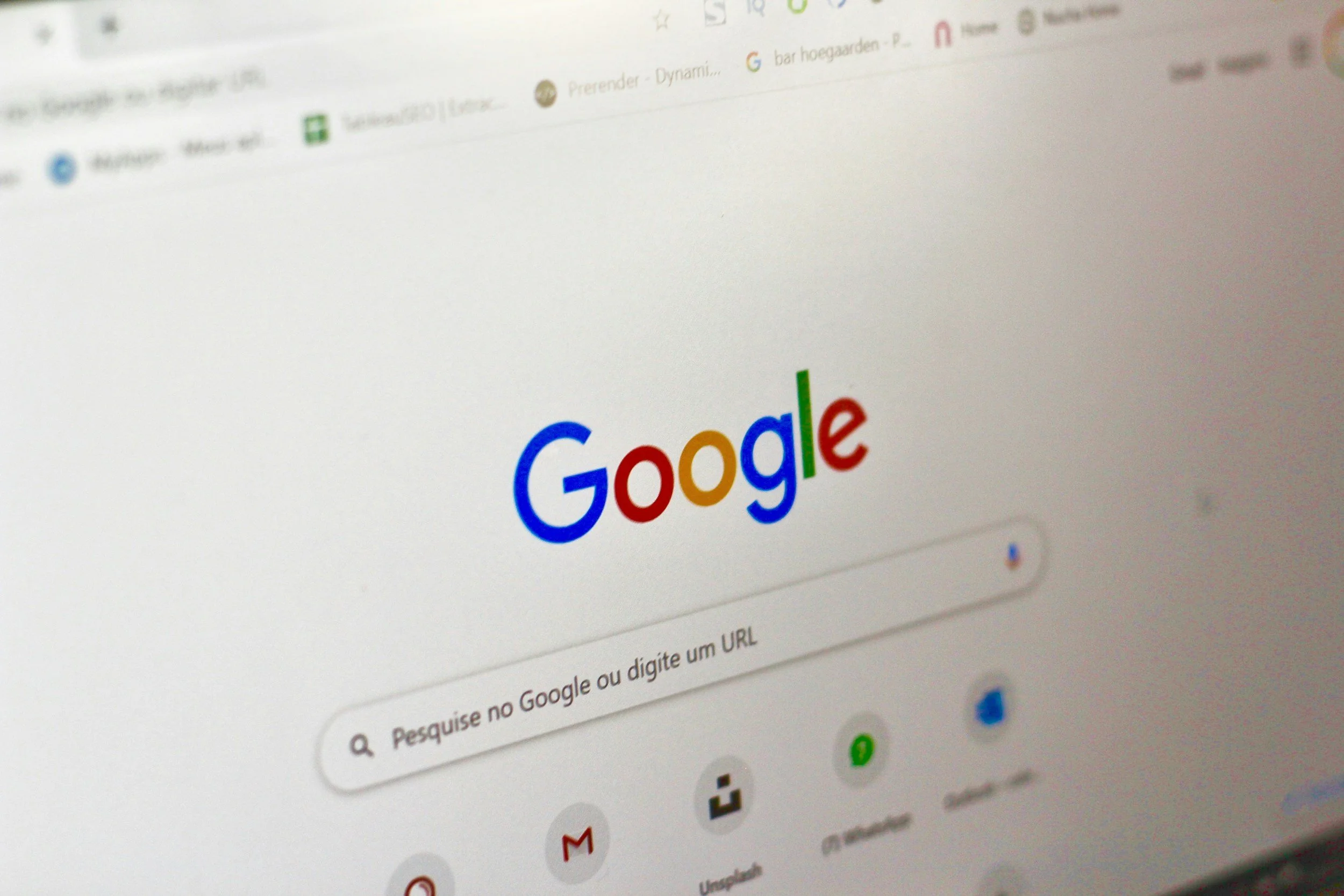
SEO — Search Engine Optimization — is how you help Google find your website and show it to people who are looking for the products or services you offer.
Think of Google as a giant library.
Your website is one of the books.
If your book doesn’t have the right labels (keywords), clear chapter titles (headings), or correct information about what it’s about…
Google has no idea who it’s supposed to show it to.
SEO fixes that.
Good SEO helps you:
✔ Show up when customers search
✔ Get found by people who actually want what you sell
✔ Bring in traffic without paying for ads
✔ Build long-term visibility and trust
You don’t need to be a marketer to do SEO — you just need a simple strategy and the right steps.

Step 1: Keyword Research — Finding the Exact Words Your Customers Use
If you’ve been guessing at what people search for…
or writing blogs based on random ideas…
or hoping Google magically understands your business…
Keyword research is where everything finally clicks.
Keywords are simply the words or phrases your customers type into Google.
For example:
“best bakery in Midland TX”
“hair salon near me”
“how to fix a slow website”
“where to buy handmade jewelry online”
To do keyword research as a beginner:
✔ Brainstorm what your customers might search
✔ Use a simple tool like Ubersuggest or Google’s Keyword Planner
✔ Look for keywords with clear intent
You don’t need hundreds of keywords. You need the right ones.
Once you know what your customers search for, you can:
Add those keywords to your website
Build content that actually ranks
Improve your visibility without paying for ads
This one step alone transforms DIY SEO.

Step 2: On-Page SEO — The Simple Tweaks That Help Google Understand Your Website
You don’t need coding skills for on-page SEO.
You just need to know where to put things.
Here’s what matters most:
✔ Title Tag
This is the title that shows up in Google.
Make sure it includes the keyword your customer is searching for.
Example:
“Custom Cakes in Midland TX | Isabella’s Bakery”
✔ Meta Description
A short summary encouraging people to click.
✔ Headings (H1, H2, H3)
These are your page titles and section titles.
Your H1 is the main page topic — only one per page.
✔ Content
Write naturally. Use your keyword where it makes sense.
Explain your services clearly. Help your customer understand why you’re the right choice.
✔ Internal Links
Link your pages to each other so Google (and customers) can easily navigate your website.
None of this requires a developer — just clarity and consistency.
Step 3: Off-Page SEO — How Google Decides If Your Business Is Trustworthy
Off-page SEO is simply:
“Do other websites trust you enough to link to you?”
Google sees links from other websites as votes of confidence.
As a DIY business owner, the easiest ways to get good backlinks are:
✔ Get listed in online directories (local and industry-specific)
✔ Collaborate with other small businesses
✔ Write helpful blogs people want to share
✔ Create valuable content — guides, lists, tutorials
Backlinks help Google trust your website, which increases your ranking over time.
Step 4: Technical SEO — The Behind-the-Scenes Stuff (Explained for Beginners)
I promise this doesn’t have to be scary.
Technical SEO is simply making sure your website runs well.
As a DIYer, focus on:
✔ Website Speed
If your website loads slow, customers leave — and Google lowers your ranking.
Compress images, remove old apps/plugins, and avoid massive photo slideshows.
✔ Mobile-Friendly Design
Google ranks mobile-friendly sites higher than desktop-only ones.
✔ Sitemap + Indexing
Your website should have a clean sitemap so Google can read your pages.
✔ Clean URLs
Example:
GOOD: /wedding-photography-packages
BAD: /page12345
These small technical details make a really big difference — and again, you don’t need to be a developer to fix most of them.
Step 5: Content — The #1 Way Local Businesses Get Found Online
If SEO was a car, your content is the fuel.
Content tells Google:
What your business does
What problems you solve
Who you help
Where you’re located
For DIYers, start simple:
✔ Write blogs based on real customer questions
✔ Create service pages that clearly explain what you do
✔ Add location-based keywords if you’re a local business
✔ Make your content helpful, not fluffy
Google rewards clarity and expertise — not keywords stuffed into paragraphs.
Step 6: Local SEO — The Secret Weapon for Local & Service-Based Businesses
If you have a physical location OR you serve customers in specific cities, local SEO is the fastest way to get found.
DIY-friendly actions:
✔ Set up and optimize your Google Business Profile
✔ Add your Business Name, Address & Phone Number consistently online
✔ Collect reviews (they matter more than you think)
✔ Post updates weekly
✔ Add local keywords to your website
Local SEO puts you in front of the customers who live right in your community.
Step 7: Measure Your Progress (So You Know It’s Working)
You don’t need complicated analytics tools — just these basics:
✔ Are you showing up for more keywords?
✔ Is your organic traffic growing?
✔ Are people staying longer on your site?
✔ Are you getting more calls, forms, or bookings?
Small improvement over time = SEO working.
SEO is not instant.
But it is powerful, predictable, and long-lasting.
Common DIY SEO Mistakes (Avoid These!)
Trying to do everything at once
Not using keywords intentionally
Ignoring Google Business Profile
Forgetting to optimize each page
Not updating old content
No internal linking
Slow website
Giving up too soon
If you avoid these pitfalls, your SEO improves much faster.
The Future of SEO (and Why DIYers Have an Advantage)
Google is shifting toward:
Helpful content
Strong local signals
Fast, clean websites
Conversational search
Authentic business voices (not AI spam)
DIY business owners actually have the advantage here…
because nobody knows your customers better than you do.
Your voice, your expertise, and your hands-on experience make your SEO naturally authentic — which Google loves.
Want the Complete DIY SEO Roadmap?
This blog gives you the overview…
But if you want the actual step-by-step instructions — with checklists, templates, examples, tutorials, and guided lessons — that’s exactly what my consultations are built for.
Because you can do your own SEO.
You just need someone who explains it clearly, without the overwhelm, and shows you exactly what to do and in what order.
My consultations walks you through:
✔ Keyword research
✔ Metadata writing
✔ On-page SEO
✔ Blogging for SEO
✔ Website structure
✔ Local SEO setup
✔ Technical SEO for beginners
✔ Tracking + reporting
✔ Plus real examples, worksheets, tools, and templates
Everything from this blog — but with actionable steps that make it simple.
Your business deserves to be found.
And you CAN learn how to make that happen.